On the topic of self-harm and suicide, I highly recommend seeking the help and experience of a trained professional. I’m not trained myself, and I only speak of what worked for me based on personal experience. However, I wrote this article specifically for those people who are unable to access therapy or may be put in danger if they seek professional help.
I know that what you’re feeling now is incredibly painful, and it may be extremely hard to think about coping or moving forward. Healing and feeling happy may even feel impossible right now. However, you’re more than capable of being a strong person and overcoming your mental state. Here are some ways that could help you accomplish that based on my personal experiences.
- The Rubber Band Method, Hair Ties, and Ice on Skin
When someone self-harms, they often crave a painful or extreme sensation that will help to minimize or blanket the emotions of pain, anger, or sadness they carry with them in their lives. That was one of my goals, but I found that a decent temporary alternative to what was considered conventional self-harm was rubber bands. To give off a sensation similar to the sensation you feel when you self-harm, you need to grab two to three moderately thick rubber bands and wear them on your wrists. Don’t get a band that’s too thick or too thin, and don’t get too many bands, as this can reduce the impact of the rubber bands. If you have a massive urge to self-harm and you’re completely unwilling to change your mind on self-harming, then I highly recommend that you try the rubber band method instead of cutting or burning.
However, this method isn’t ideal. Many therapists and mental health workers consider it another, albeit less extreme, form of self-harm. This method can have close to similar pain levels as more traditional forms of self-harm, and it can even leave blisters on your wrists and arms. However, this method is considered less injurious than cutting or burning, and it could even potentially be a great first step into reducing and eventually cutting off self-harm for people who have it ingrained into them as a habit. For me, it was an excellent short-term substitute for more traditional forms.
As a better alternative to the rubber band method and a more ideal coping mechanism, you could use a much softer elastic band, like a hair tie, to replicate the same snapping sensation on your wrists while eradicating the injurious aspect of the rubber bands. Additionally, another ideal alternative to self-harm would be placing and rubbing ice on your skin, especially on the area that you’d like to self-harm. The sharp sensation that many people may get from running ice on their body is quite intense and could be an excellent non-injurious replacement for self-harm.
- Drawing on Scars
Self-harm is often accompanied by strong negative emotions such as guilt or shame that don’t help make you feel better and could even make you want to release those emotions through more self-harm. One thing that I’ve personally found could be a mood booster is drawing faces on scars. I used to think that drawing eyes above cuts and making faces out of them would be kind of funny. It would take away how terrible I felt about them in the moment and would even be a mood booster for me. It made me feel a bit happier, and it made me less interested in cutting. The effectiveness of this varies from person to person, but I personally found it to be validating and soothing. Another idea you could have regarding drawing on scars would be drawing butterflies instead of faces.
On the topic of drawing on scars, please remember to take care of your wounds properly. Use disinfectant and bandage your scars up, as self-harm could leave the open wounds of your body exposed to different pathogens in the environment. Especially take care of your wounds before putting ink near them.
- Reading Open Letters About Suicide, Mental Health on Social Media, and Mental Health Communities
Loneliness and feelings of being misunderstood by others are often very persistent feelings in those who are suicidal. Many suicidal people feel as if they’re completely alone in their problems and no one cares about them enough to help them. If you’re one of those people whose emotions are often mixed with feelings of isolation, then do your best to discover mental health communities that have been where you are standing and have the best intentions for you. Mental health communities, whether physical or on the internet, can provide that sense of comfort, validation, and understanding that may not otherwise be present in your life.
One of my most turned to places on the internet when I felt this intense loneliness would be open letters on personal blogs for those who wanted to commit suicide, often by people who have been in the same place themselves. In my case, open letters against suicide felt deeply personal and gave me a feeling of comfort and raw acceptance of my strong emotions that I otherwise couldn’t find at the time. Additionally, I was on mental health social media a lot. Many people warn against the dangers of social media when it comes to attempting to help your mental health, but in my particular case, it was beneficial. I didn’t have a great therapist at the time, and along with seeking consolation, I also wanted a place to validate, help me understand, and better process my emotions. If used correctly and only if used correctly, mental health social media can both give you the reassurance you want and the tailored insight into your mental state that you crave. Try to look up advice or comfort videos on social media, YouTube, the internet, or other sources if you think it could help you.
These are only a couple of personal examples of where you can find a community that engages in discussions of mental health. Find a type of community that best works for you!
- Distraction Kits and Sensory Objects
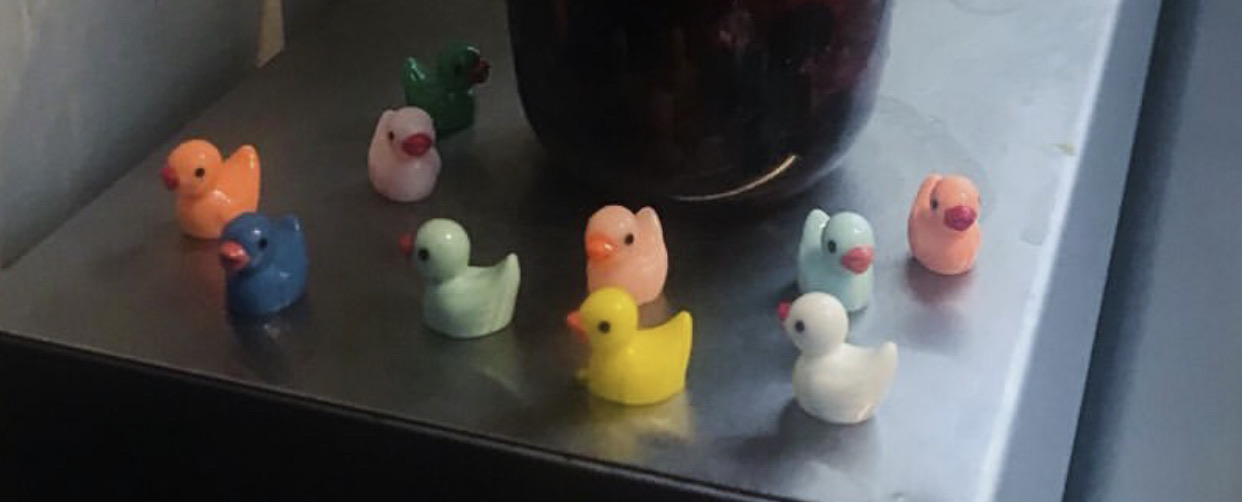
Something that I frequented back when I had a really bad episode would be sensory objects and things that brought me comfort during my worst moments. My favorite objects were squishy toys, squeaky toys, miniature plastic animals, and massive pillows I had at home. Whenever I felt like I was going to crack, I would either cuddle up with a pillow or squeeze a squeaky toy. These small things calmed me down to where I didn’t feel so horrible and would even make me look forward to pursuing similar sensory objects in the future.
Many mental health workers recommend a distraction kit for people who lean towards self-harm or have suicidal ideations. In these boxes, mental health workers recommend placing objects that favorably appeal to your five senses, as well as objects that are significant or symbolic in your human relationships. These objects can help take your mind away from that negative and destructive headspace you may be in and lead it to a more cheerful one. If it’s helpful, you could create a distraction box filled with items like plushies, fidgets, photos of loved ones, perfumes, small snacks, audio recordings you’re fond of, pocket animals, and other things that can help you when you have a really bad moment and are flooded with overwhelming emotions. These kits can be a better coping mechanism than self-harm and could even serve as a mechanism to calm down and get into a better headspace if you have an impulsive wish of suicide.
- Talking to People About Your Emotions
You may not want to burden others with your emotions, but I promise you that talking to people you love and trust about how you’re feeling will do wonders for your well-being. Telling others about your struggles with self-harm or suicide not only relieves some intense feelings of stress or sadness, but being understood and supported by those close to you may help you feel worthy, valuable, and loved, which is a feeling that many suicidal people grapple with. I promise you that anybody worth your time will care about your well-being and wants to see you in a good place.
If you have people who love and care about you, come up with a list of phone numbers you can call or text. In the case that you have a strong urge to self-harm or you want to end your life, reach out to these people and open up about how you’re feeling. If you have friends, you could ask them to do something small together, like cook a meal or play a game together.
I remember not having many people close to me when I initially had these ideations, and therefore didn’t have many people to talk to for a while. On top of that, I was very uncomfortable with what I felt was burdening others with my problems and mental state. However, as time went on, I got closer to a lot more people, and I felt more comfortable opening up about the things I felt. I believe that it has done wonders for my mental state, and it has helped me cope and heal from the intense emotions that I felt.
Your pain is completely valid, and you’re so much more than the pain you’re feeling. Choosing to live while having to face your pain is one of the bravest things you can do. If you feel like you’re in danger right now, please call your country’s local emergency number or a mental health crisis assessment organization.
Leave a Reply